
What Is Laparoscopic Cholecystectomy?
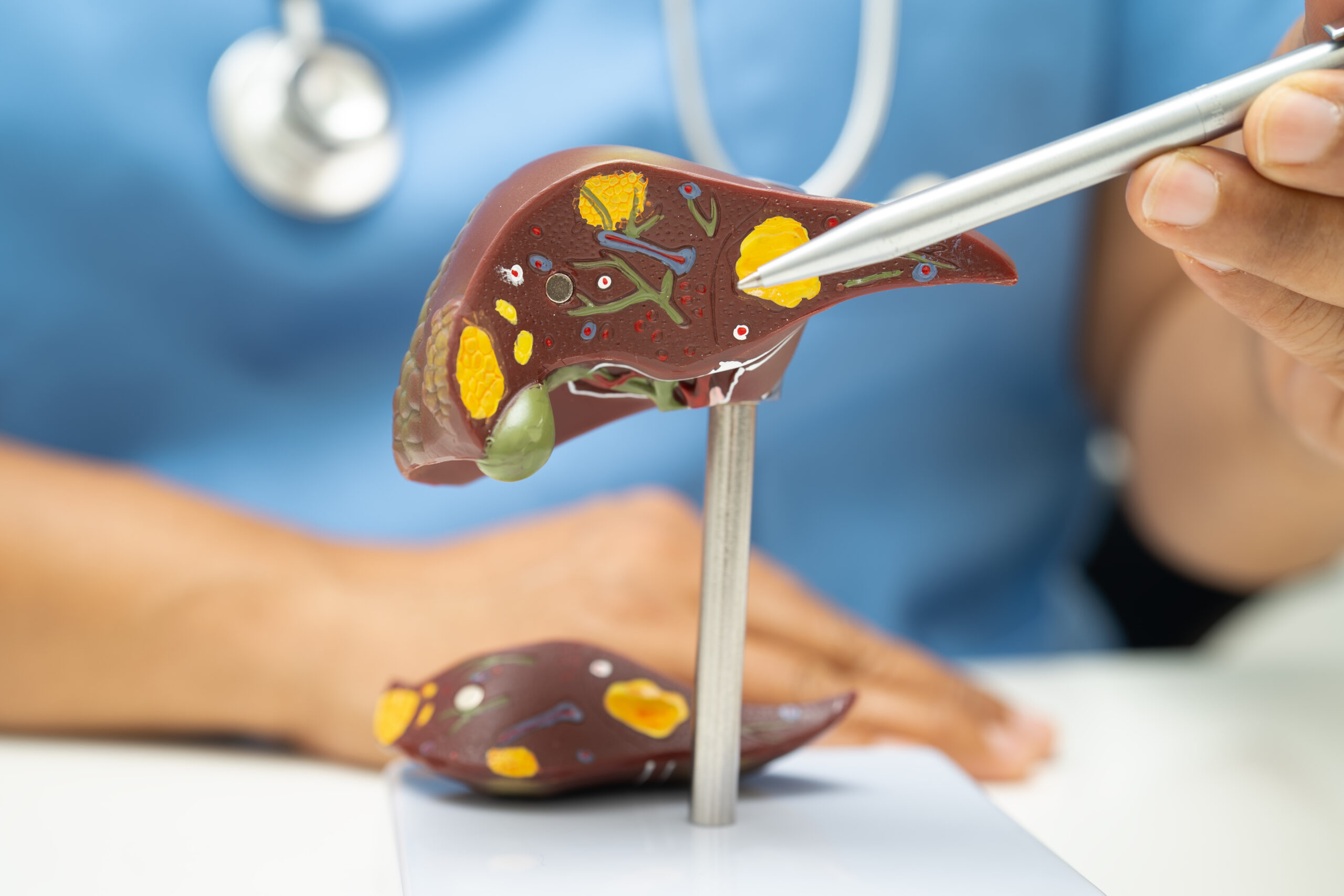
Laparoscopic cholecystectomy is a type of minimally invasive gallbladder surgery. Doctors use it to remove the gallbladder, which is a small organ under your liver. Often, this surgery treats problems like gallstones or gallbladder infections. Because it uses small cuts and a camera, recovery is usually faster than with open surgery. Many people choose this option for its quick healing and less pain.
Why Might You Need Gallbladder Removal Surgery?
Several health issues can lead to the need for laparoscopic cholecystectomy. For example, gallstones are a common reason. These are hard pieces that form in the gallbladder and can block the flow of bile. When this happens, you may feel pain or get an infection. Other reasons include:
Sometimes, doctors suggest surgery if you have repeated attacks or severe symptoms. Early treatment can prevent more serious problems.
Common Symptoms Leading to Surgery
Many people notice symptoms before needing gallbladder removal. For instance, you might feel pain in your upper right belly. This pain can come and go or last for hours. Other signs include:
If you notice these symptoms, it is important to see a doctor. Early care can help avoid complications.
How Is Laparoscopic Cholecystectomy Performed?
This minimally invasive gallbladder surgery uses small cuts and special tools. Here is a step-by-step overview:
Most surgeries take about 1 to 2 hours. Because the cuts are small, you usually recover faster.
Benefits of Laparoscopic Cholecystectomy
Compared to open surgery, laparoscopic cholecystectomy offers many advantages. For example:
Because of these benefits, many doctors recommend this approach when possible.
Risks and Possible Complications
Although laparoscopic gallbladder surgery is safe, every surgery has risks. Some possible problems include:
However, serious complications are rare. Your surgeon will discuss these risks with you before the procedure.
Laparoscopic Gallbladder Surgery Recovery
Recovery after laparoscopic cholecystectomy is usually quick. Most people go home the same day or after one night. Here is what you can expect:
For a smooth recovery, avoid heavy lifting for at least two weeks. If you notice fever, redness, or severe pain, contact your doctor right away.
Aftercare Tips for a Healthy Recovery
Proper care after surgery helps you heal faster. For example:
Additionally, follow up with your surgeon as scheduled. This ensures your recovery is on track.
Prevention and Lifestyle Tips for Gallbladder Health
While not all gallbladder problems can be prevented, healthy habits can lower your risk. Try these tips:
Because some risk factors are genetic, regular check-ups are important, especially if you have a family history of gallstones.
When to See a Doctor
If you have ongoing belly pain, fever, or yellowing of your skin, seek medical help. Early treatment can prevent serious problems. For those considering laparoscopic cholecystectomy in your area, consult a qualified surgeon for advice.
Conclusion
Laparoscopic cholecystectomy is a safe and effective way to treat gallbladder problems. With proper care, most people recover quickly and return to normal life. Consult a qualified surgeon Dr Akhil Rana Arikeri for personalized advice about laparoscopic cholecystectomy.