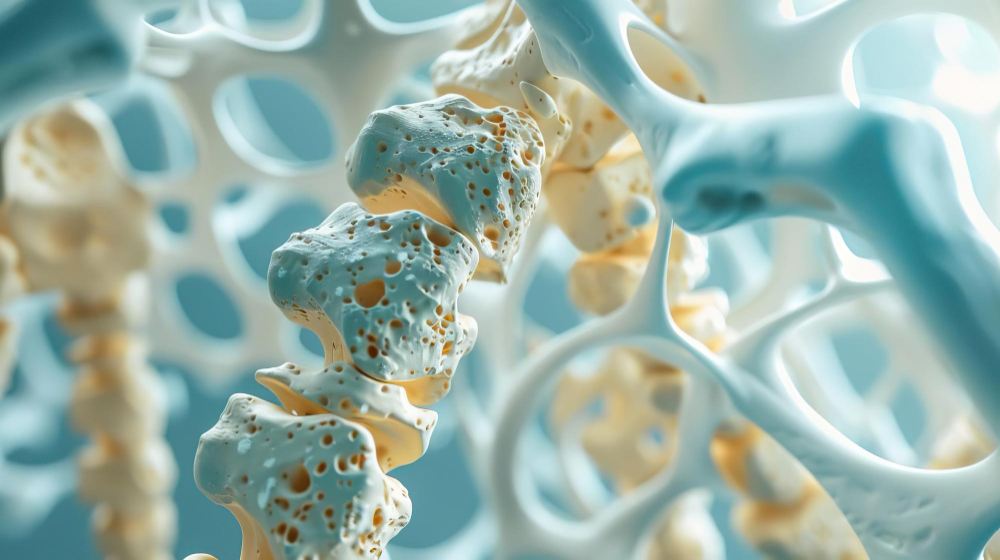
Osteoporosis is a condition that weakens bones, making them fragile and more likely to break. It affects millions of people worldwide, especially older adults. Because osteoporosis often develops slowly, many people do not notice symptoms until a bone breaks. Early understanding and care can help protect your bone health. In this blog, you will learn about osteoporosis causes, symptoms, diagnosis, treatment, and prevention.
Causes of Osteoporosis
Osteoporosis happens when the body loses too much bone, makes too little bone, or both. As a result, bones become weak. Several factors can increase your risk:
Age: Bone loss speeds up as you get older.
Gender: Women are more likely to develop osteoporosis, especially after menopause.
Family history: If your parents had osteoporosis, your risk is higher.
Low calcium intake: Not getting enough calcium weakens bones.
Physical inactivity: Lack of exercise can lead to weaker bones.
Smoking and alcohol: Both can harm bone health.
Certain medicines: Some drugs, like steroids, may cause bone loss.
Medical conditions: Diseases like rheumatoid arthritis can increase risk.
Common Symptoms
Often, osteoporosis shows no signs in the early stages. However, as bones become weaker, symptoms may appear. For example, you might notice:
Back pain, often from a broken or collapsed bone in the spine
Loss of height over time
A stooped posture
Bone fractures that happen easily, even from minor falls
Because symptoms can be subtle, regular check-ups are important, especially for those at risk.
Diagnosis Methods
Doctors use several methods to diagnose osteoporosis. Early diagnosis can help prevent serious bone loss. Common tests include:
Bone density test (DEXA scan): This safe, painless test measures bone strength.
Medical history: Your doctor will ask about your health, family history, and lifestyle.
Physical exam: The doctor may check your posture and look for signs of bone loss.
Blood and urine tests: These can rule out other causes of bone loss.
With these tools, doctors can spot osteoporosis early and suggest the best care.
Treatment Options
Treating osteoporosis aims to slow bone loss and reduce fracture risk. Your doctor may suggest:
Medicines: Drugs like bisphosphonates help strengthen bones.
Calcium and vitamin D: Supplements support bone health.
Exercise: Weight-bearing activities, such as walking, help build bone strength.
Lifestyle changes: Quitting smoking and limiting alcohol can protect your bones.
Sometimes, doctors recommend hormone therapy or other treatments based on your needs. Always follow your doctor’s advice for the best results.
Lifestyle Tips for Bone Health
Simple changes can help keep your bones strong. For instance, you can:
Eat a balanced diet rich in calcium and vitamin D
Exercise regularly, focusing on weight-bearing and muscle-strengthening activities
Avoid smoking and limit alcohol use
Get enough sunlight for natural vitamin D
Prevent falls by keeping your home safe and using support if needed
Even small steps can make a big difference over time.
Prevention Strategies
Preventing osteoporosis starts early. However, it is never too late to take action. Here are some key strategies:
Build strong bones in childhood and teen years with proper nutrition and exercise
Continue healthy habits as you age
Discuss your risk with your doctor, especially if you have a family history
Consider bone density testing if you are over 50 or have risk factors
By staying proactive, you can lower your risk of osteoporosis and fractures.
When to See a Doctor
It is important to talk to a doctor if you:
Break a bone easily
Notice loss of height or a stooped posture
Have a family history of osteoporosis
Take medicines that may affect bone health
Early medical advice can help you manage risks and protect your bones.
Frequently Asked Questions (FAQ)
Can men get osteoporosis? Yes, men can develop osteoporosis, though it is more common in women.
Is osteoporosis painful? Not always. Pain usually happens after a bone breaks.
Can osteoporosis be cured? While it cannot be cured, treatment can slow bone loss and prevent fractures.
How often should I get a bone density test? Your doctor will advise based on your age and risk factors.
Are there foods that help prevent osteoporosis? Yes, foods rich in calcium and vitamin D, like dairy, leafy greens, and fish, support bone health.
Conclusion
Osteoporosis is a common but serious condition. However, with early action and the right care, you can protect your bones. Consult a specialist Dr Akhil Rana Arikeri for personalized guidance.