
Introduction
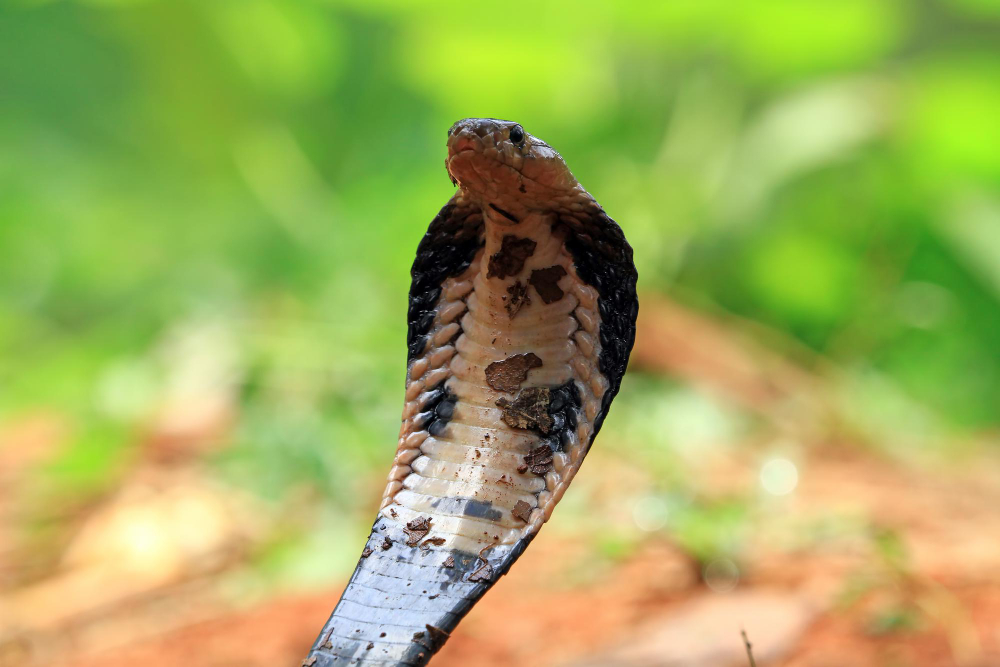
A snake bite happens when a snake bites and injects venom into the skin. In many areas, especially rural regions, snake bites are a serious health risk. Because some snakes are venomous, knowing what to do can save lives. Therefore, it is important to recognize snake bite symptoms and act quickly. According to the World Health Organization (WHO), thousands of people are bitten by snakes each year. However, with the right knowledge, you can reduce the risk and respond safely.
Common Symptoms of Snake Bite
After a snake bite, symptoms can appear quickly or slowly. Not all bites are dangerous, but some can be life-threatening. For this reason, you should watch for these common signs:
Sometimes, symptoms depend on the type of snake. For example, bites from some snakes may cause muscle weakness or paralysis. If you notice any of these symptoms, seek help right away.
Immediate First Aid Steps
Quick action is vital after a snake bite. While waiting for medical help, follow these first aid steps:
Because every minute counts, do not delay seeking help. According to the Centers for Disease Control and Prevention (CDC), proper first aid can prevent serious problems.
Diagnosis and Medical Treatment
Once you reach a hospital, doctors will check your symptoms and the bite. They may ask about the snake’s color or shape. In some cases, blood tests or other exams help guide treatment. If the bite is from a venomous snake, doctors may give antivenom. This medicine helps stop the effects of the venom. In addition, you may receive pain relief, fluids, or other support. Most people recover well with fast treatment. However, delays can lead to serious health issues.
Prevention Tips
Although snake bites can be scary, you can lower your risk. Here are some easy ways to prevent snake bites:
In some locations, certain snakes are more common. Therefore, learn about local snake species and their habits. This knowledge can help you stay safe outdoors.
When to Seek Emergency Help
It is always best to seek emergency help after a snake bite. However, you should act even faster if you notice:
Even if symptoms seem mild, do not wait. Early treatment can save lives and prevent lasting harm.
Conclusion
In summary, snake bites can be dangerous, but quick action makes a big difference. Learn the symptoms, follow first aid steps, and seek medical care right away. For your safety, consult Dr Akhil Rana Arikeri if you suspect a snake bite.