
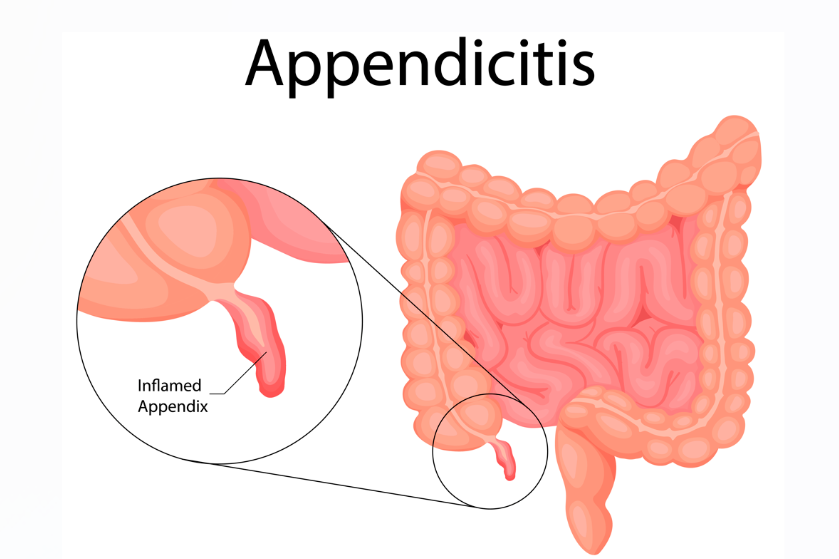
Appendicitis is a sudden swelling of the appendix, a small organ in your lower right belly. This condition can become serious very quickly. Because of this, knowing the warning signs of appendicitis is important. Early action can prevent life-threatening problems. In this blog, you will learn about appendicitis, its warning signs, and when to seek emergency care. We will also cover diagnosis, treatment, and tips to stay healthy.
What Is Appendicitis?
Appendicitis happens when the appendix gets blocked or infected. The appendix is a small, finger-shaped pouch attached to your large intestine. Although its exact role is unclear, you can live without it. However, if the appendix swells, it can burst. This can cause a serious infection in your belly. According to the CDC, appendicitis is one of the most common causes of sudden belly pain needing surgery. It can affect anyone, but it is most common in people between 10 and 30 years old.
Common Warning Signs and Symptoms
Recognizing the warning signs of appendicitis can save your life. While symptoms may vary, most people notice pain first. Here are the most common signs:
Sometimes, symptoms are not clear. For example, children and older adults may have mild or unusual signs. Therefore, it is important to pay attention to any sudden belly pain.
When to Seek Emergency Care
If you notice warning signs of appendicitis, act fast. Delaying care can lead to a burst appendix. This can cause a dangerous infection called peritonitis. Seek emergency care right away if you have:
Even if your pain seems mild, it is better to be safe. Call your doctor or go to the nearest emergency room. Quick treatment can prevent serious problems.
Diagnosis and Treatment Options
Doctors use several steps to diagnose appendicitis. First, they will ask about your symptoms and check your belly. Next, they may order tests, such as:
If appendicitis is found, surgery is often needed. The most common treatment is an appendectomy, which removes the appendix. Sometimes, doctors use a small camera and tiny cuts (laparoscopic surgery). This helps you heal faster. In rare cases, if the appendix has not burst, antibiotics may be used first. However, surgery is usually the safest option.
Prevention and Lifestyle Tips
While you cannot always prevent appendicitis, some healthy habits may help. For example, eating a diet high in fiber can keep your bowels healthy. Try these tips:
Although these steps may not stop appendicitis, they support your overall health.
Frequently Asked Questions
If you notice any warning signs of appendicitis, consult a specialist Dr Akhil Rana Arikeri . Early action can save your life.