What is an Inguinal Hernia?
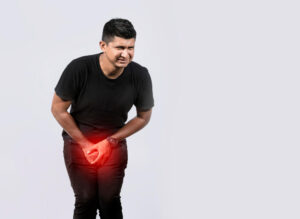
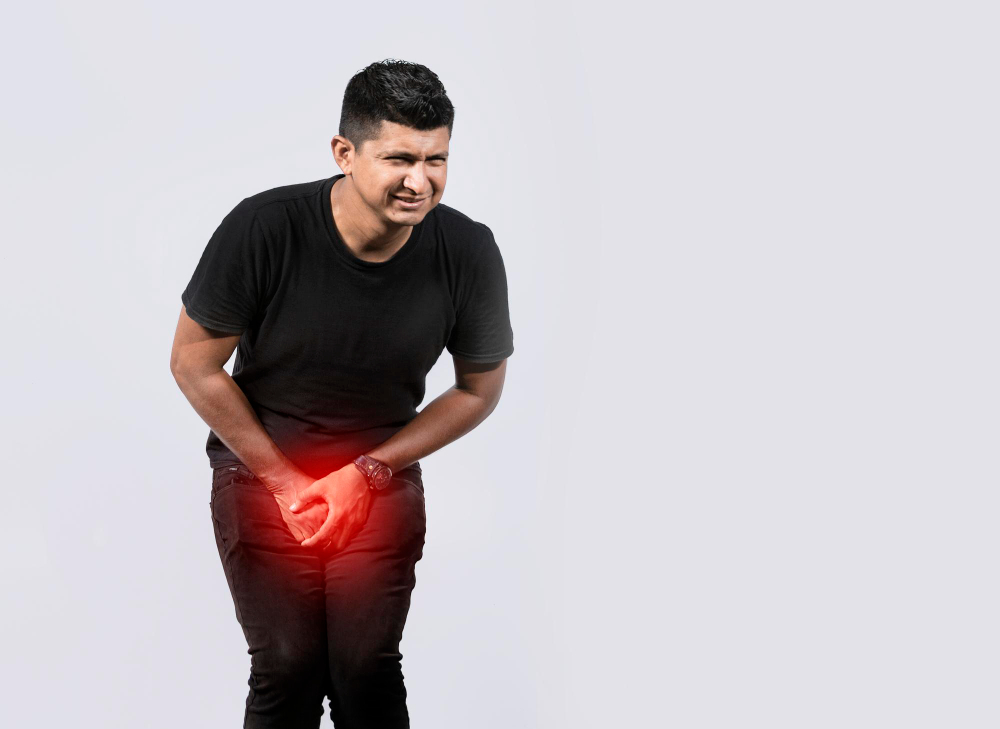
An inguinal hernia happens when tissue, often part of the intestine, pushes through a weak spot in the lower belly wall. This area is called the inguinal canal. Inguinal hernias are common, especially in men. They can cause a bulge in the groin or scrotum. Although some hernias may not hurt, others can cause pain or discomfort. Early diagnosis and treatment for inguinal hernia can help prevent problems.
Common Symptoms
Many people notice a lump or bulge in the groin area. However, not all hernias cause pain. Still, it is important to watch for these signs:
Sometimes, the bulge may disappear when lying down. But if you notice sudden pain, redness, or vomiting, seek medical help right away. These could be signs of a serious problem.
Causes and Risk Factors
Inguinal hernias often develop due to weak spots in the belly wall. Over time, pressure can push tissue through these weak areas. Several factors can increase your risk:
While some people are born with weak muscles, others develop them over time. Either way, knowing the risks can help you take steps to prevent an inguinal hernia.
How Inguinal Hernia is Diagnosed
Doctors usually diagnose an inguinal hernia with a physical exam. During the exam, your doctor may ask you to stand and cough. This can make the bulge easier to see. Sometimes, imaging tests like an ultrasound or CT scan are needed. These tests help confirm the diagnosis or rule out other problems. Early diagnosis is important because untreated hernias can lead to complications.
Treatment Options
Treatment for inguinal hernia depends on the size of the hernia and your symptoms. In some cases, your doctor may suggest watchful waiting if the hernia is small and not causing pain. However, surgery is the only way to fix an inguinal hernia completely. There are two main types of surgery:
Both surgeries are safe and effective. Your doctor will help you choose the best option. If you are looking for inguinal hernia surgery in your area, ask your doctor about local specialists.
Prevention and Lifestyle Tips
Although not all hernias can be prevented, you can lower your risk by following these tips:
By making these changes, you can help protect your body and reduce your risk of developing an inguinal hernia.
When to See a Doctor
If you notice a bulge in your groin or have pain, see your doctor soon. Early treatment can prevent serious problems. But if you have sudden, severe pain, nausea, vomiting, or the bulge becomes hard or cannot be pushed back, seek emergency care. These signs may mean the hernia is trapped or blocked, which needs urgent treatment.
In summary, inguinal hernia requires timely attention to prevent complications. For personalized diagnosis and treatment guidance, consult Dr. Akhil Rana Arikeri to ensure safe and effective care.