Introduction
Gallbladder issues can cause pain and discomfort for many people. The gallbladder is a small organ, but it plays an important role in digestion. If you have gallbladder pain or notice gallbladder disease symptoms, it is important to seek help. Early treatment for gallbladder problems can prevent serious health risks. In this blog, you will learn about common gallbladder issues, their symptoms, causes, diagnosis, and treatment options. You will also find tips to keep your gallbladder healthy.
What is the Gallbladder?
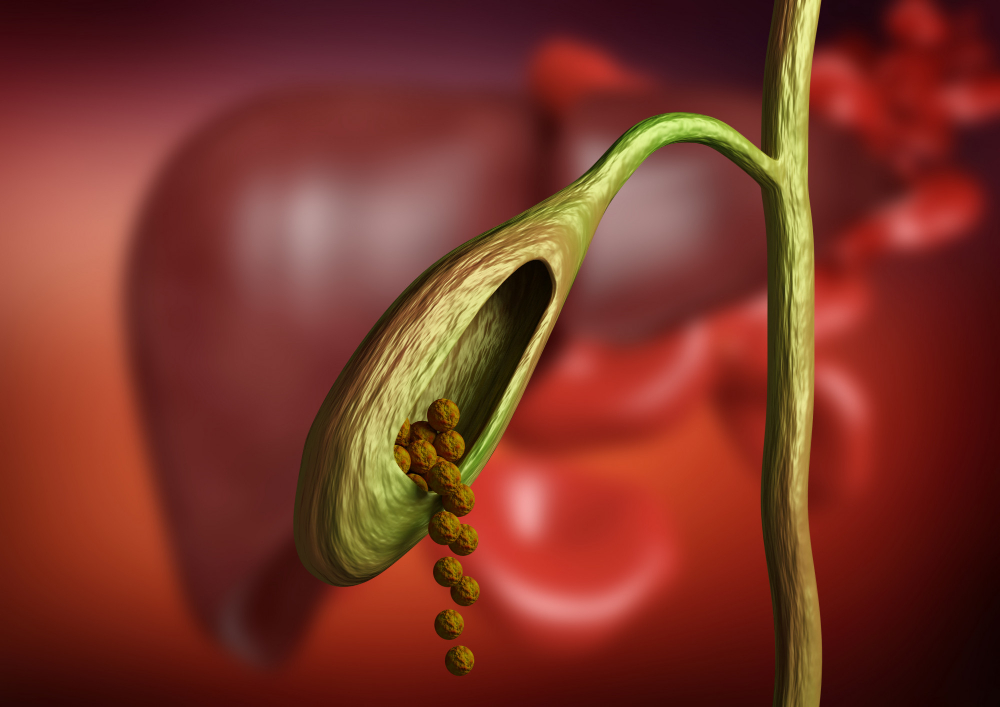
The gallbladder is a small, pear-shaped organ located under your liver. It stores bile, a fluid made by the liver. Bile helps your body break down fats during digestion. When you eat, the gallbladder releases bile into your small intestine. This process helps your body absorb nutrients from food. Although the gallbladder is helpful, you can live without it if needed.
Common Gallbladder Issues
Several problems can affect the gallbladder. Some of the most common gallbladder issues include:
Symptoms of Gallbladder Problems
Gallbladder disease symptoms can vary. However, some signs are more common. Watch for these symptoms:
If you notice these symptoms, seek medical help. Early care can prevent complications.
Causes and Risk Factors
Many factors can lead to gallbladder problems. For example, gallstones form when bile contains too much cholesterol or bilirubin. Other causes include infections or tumors. Some people are more likely to have gallbladder issues. Risk factors include:
Knowing your risk can help you take steps to protect your health.
Diagnosis of Gallbladder Conditions
Doctors use several methods to diagnose gallbladder problems. First, they ask about your symptoms and medical history. Then, they may perform a physical exam. To confirm the diagnosis, doctors often use tests such as:
Early diagnosis helps guide the best treatment for gallbladder problems.
Treatment Options for Gallbladder Issues
Treatment for gallbladder problems depends on the cause and severity. Some people need only medicine, while others may need surgery. Common treatment options include:
Your doctor will recommend the best treatment for your needs. If you need gallbladder treatment in your area, ask your healthcare provider for options.
Prevention and Lifestyle Tips
While not all gallbladder issues can be prevented, healthy habits can lower your risk. Consider these tips:
These steps can help keep your gallbladder and digestive system healthy.
Conclusion
In summary, gallbladder issues can impact daily life, but early diagnosis and treatment make a difference. If you notice pain or digestive problems, consult Dr. Akhil Rana Arikeri for personalized guidance on gallbladder health.