Introduction
Trauma care is the support given after a serious injury. It helps save lives and reduce harm. Quick action can make a big difference. For this reason, knowing trauma care first aid is important for everyone. Whether at home, work, or outdoors, accidents can happen. So, being prepared helps you respond better. Trauma care also includes long-term trauma recovery and rehabilitation. This guide will explain each step in simple terms.
Common Causes of Trauma
Trauma can happen in many ways. Some causes are more common than others. For example, road accidents often lead to trauma. Falls at home or work can also cause injuries. In addition, sports injuries and violence are frequent causes. Natural disasters, such as earthquakes or floods, may result in trauma too. Understanding these causes helps you stay alert and take precautions.
Recognizing Trauma: Key Symptoms and Signs
It is important to spot trauma early. Some signs are easy to see. Others may be hidden. For instance, bleeding or broken bones are clear signs. However, confusion or trouble breathing may also mean trauma. Sometimes, a person may lose consciousness. In addition, severe pain or swelling can be a warning. If you notice these symptoms, act quickly.
Immediate First Aid Steps for Trauma
Quick first aid can save lives. If you see someone hurt, stay calm. First, check if the area is safe for you and the victim. Next, call for help or ask someone nearby to do so. Then, follow these steps:
Always remember, do not give food or drink to someone who is badly injured. In addition, avoid moving broken bones unless needed to prevent further harm.
When to Seek Emergency Medical Help
Some injuries need urgent care. For example, if there is heavy bleeding that will not stop, call emergency services right away. If the person is not breathing or has lost consciousness, seek help fast. In addition, if you see signs of a head, neck, or spine injury, do not wait. Severe burns, deep wounds, or chest pain also need emergency trauma treatment. When in doubt, it is safer to get medical help quickly.
Hospital Treatment and Surgical Interventions
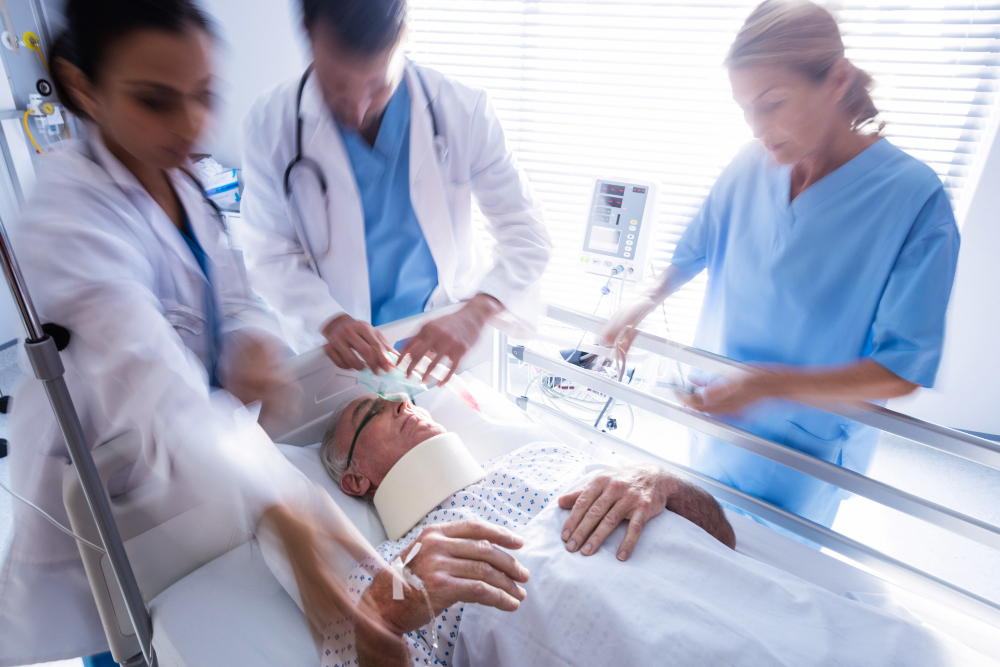
Once at the hospital, doctors will assess the injury. They may use X-rays or scans to check for hidden damage. Sometimes, surgery is needed to fix broken bones or stop bleeding. In other cases, doctors may give fluids, oxygen, or blood transfusions. The goal is to stabilize the patient and prevent further harm. After surgery or treatment, close monitoring is important. Hospitals follow strict guidelines from groups like the WHO and CDC to ensure safety.
Long-Term Recovery and Rehabilitation
Recovery does not end after leaving the hospital. Long-term trauma recovery often includes physical therapy and counseling. For example, some people need help to walk again or regain strength. Others may need support for emotional healing. Trauma rehabilitation programs offer exercises, pain management, and mental health care. Family support is also important during this time. With patience and the right care, most people can return to daily life.
Tips for Preventing Trauma
While accidents can happen, you can lower your risk. Here are some tips to help prevent trauma:
Frequently Asked Questions (FAQ)
Conclusion and Call-to-Action
In summary, trauma care is crucial for saving lives and supporting recovery. Knowing first aid and proper rehabilitation steps can make a significant difference. For personalized guidance on trauma management and recovery, consult Dr. Akhil Rana Arikeri.