Introduction to Trauma Care
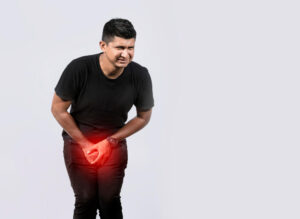
Trauma care overview is important for everyone. Trauma means a serious injury or shock to the body. It can happen suddenly and often needs quick action. Because trauma can be life-threatening, knowing what to do helps save lives. In this blog, you will learn about emergency trauma response, how to handle trauma, and trauma recovery steps.
Common Causes of Trauma
Many things can cause trauma. Sometimes, accidents happen at home or outside. Other times, trauma results from natural disasters or violence. For example, the World Health Organization (WHO) says road accidents are a leading cause of trauma worldwide. Here are some common causes:
Because trauma can happen anywhere, it is important to stay alert and prepared.
Recognizing Trauma Symptoms
Early signs of trauma are not always clear. However, knowing what to look for can help you act fast. Some common symptoms include:
Sometimes, a person may feel dizzy or very weak. If you notice these signs, seek help right away.
Immediate Emergency Response Steps
When trauma happens, every second counts. Therefore, knowing the right steps can save lives. Here is what you should do:
Because quick action is key, always remember these emergency trauma response steps.
Hospital-Based Trauma Care: Diagnosis and Treatment
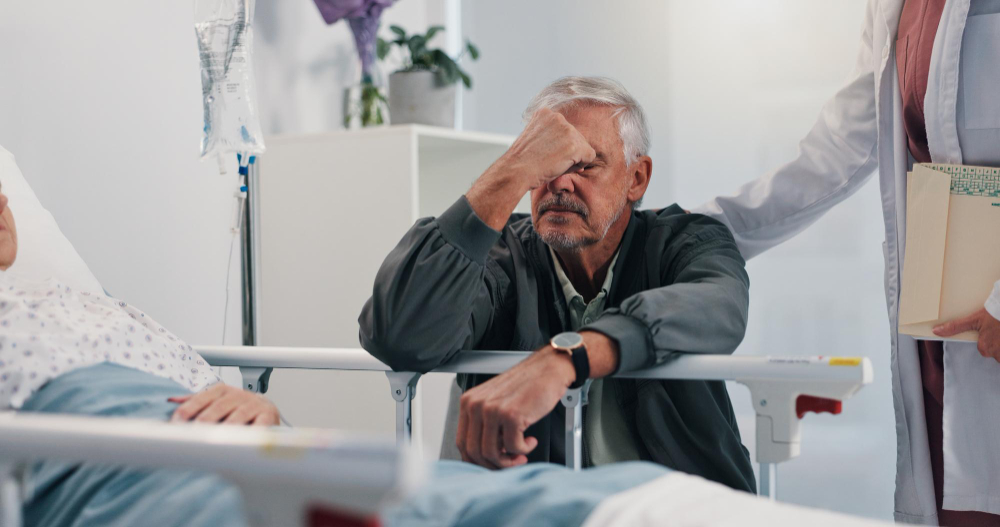
Once at the hospital, doctors act fast. First, they check vital signs like breathing and pulse. Next, they may use X-rays or scans to find hidden injuries. Depending on the injury, treatment may include:
Because every trauma case is different, doctors create a care plan for each person. The Centers for Disease Control and Prevention (CDC) notes that fast hospital care improves survival rates.
Recovery and Rehabilitation
After treatment, recovery begins. Sometimes, healing takes weeks or months. For example, broken bones may need a cast and rest. Other times, people need physical therapy to regain strength. Recovery steps may include:
Because trauma can affect the mind and body, support from family and friends is important. Following trauma recovery steps helps people return to daily life.
Prevention Tips for Trauma
Although not all trauma can be avoided, many injuries are preventable. Here are some simple tips:
Because prevention is better than cure, these steps can help keep you and your loved ones safe.
Conclusion
In summary, trauma care overview covers quick action, hospital treatment, and recovery. Knowing emergency trauma response steps can save lives. Seek immediate assistance at Aira Hospitals and ensure the best care during emergencies!